Monthly Archives: May 2025

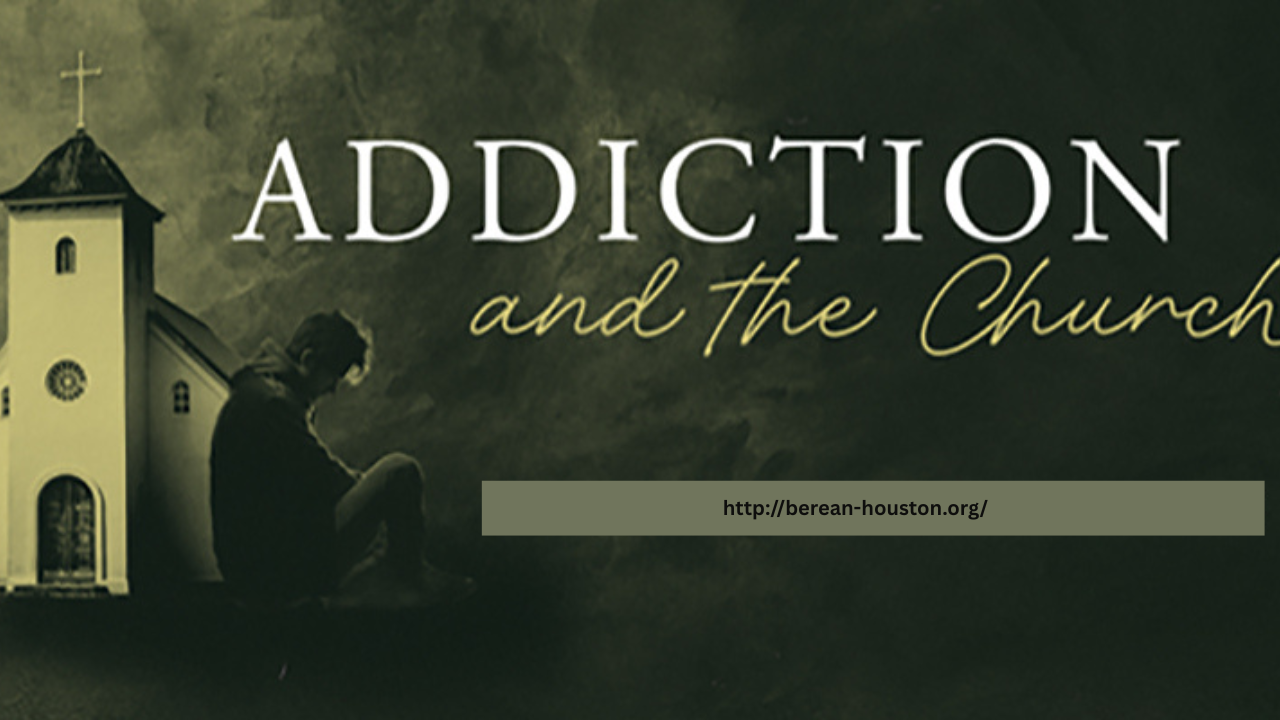
The Role of the Church in Supporting Addiction Recovery

Addiction is a pervasive issue that affects individuals, families, and communities. While medical and psychological interventions are important in recovery, the spiritual dimension of healing is often overlooked. The Church, as the body of Christ, has a vital role in supporting those struggling with addiction. Through compassion, community, prayer, and discipleship, the Church can become a powerful source of hope and restoration.

A Place of Acceptance and Grace

One of the greatest barriers to recovery is shame. Many individuals battling addiction fear judgment and rejection. The Church is called to embody the love and grace of Jesus Christ, offering a safe and accepting environment where people can find healing. Romans 15:7 encourages believers to “Accept one another, then, just as Christ accepted you, in order to bring praise to God.”

By fostering a culture of grace rather than condemnation, churches can help people feel seen, valued, and supported on their journey toward recovery.

Providing Community and Support

Addiction often thrives in isolation. The Church can counter this by offering authentic community. Acts 2:42-47 paints a picture of the early church as a place of shared life, mutual support, and spiritual growth. Small groups, recovery ministries, and accountability partnerships create spaces where individuals can build relationships, share struggles, and experience healing together.

Support groups such as Celebrate Recovery, a Christ-centered 12-step program, have been successful in many churches by addressing not only addiction but also related issues like anger, anxiety, and codependency.

Spiritual Encouragement Through Prayer and Scripture

The Church plays a key role in pointing people to the ultimate source of healing: Jesus Christ. Through regular preaching, teaching, and personal discipleship, the Church can offer biblical truth and encouragement to those in recovery. James 5:16 says, “Therefore confess your sins to each other and pray for each other so that you may be healed. The prayer of a righteous person is powerful and effective.”

Praying with and for those in recovery reminds them that they are not alone and that God is actively working in their lives. Offering Scripture-based counseling and Bible study helps renew the mind and build spiritual resilience.

Equipping the Church to Respond Effectively

For the Church to be effective in supporting addiction recovery, it must be equipped with the right tools and understanding. Training leaders and volunteers in addiction awareness, trauma-informed care, and spiritual mentorship can greatly enhance a church’s ability to minister effectively.

Partnering with Christian counselors, treatment centers, and recovery programs also expands the Church’s ability to provide holistic care. By addressing both the spiritual and practical needs of those in recovery, the Church becomes a more complete and compassionate witness of Christ’s love.

Conclusion

The Church is uniquely positioned to offer hope and healing to those struggling with addiction. Through acceptance, community, prayer, and biblical truth, it can be a sanctuary where broken lives are restored. As followers of Christ, we are called not to turn away from those in pain but to walk alongside them, extending the same grace and mercy that we ourselves have received. In doing so, the Church fulfills its mission to be a place of healing, transformation, and redemption.


Finding Strength in Scripture: A Christ-Centered Path to Sobriety

Addiction can leave individuals feeling powerless, broken, and defeated. It often brings isolation, shame, and a deep yearning for freedom. Yet, in the midst of this struggle, the Bible offers a powerful source of strength, hope, and guidance. Through Scripture, individuals can find a Christ-centered path to sobriety—a journey anchored in faith, truth, and spiritual transformation.

The Word of God as a Source of Strength

Scripture is not just a religious text; it is a living and active force that brings encouragement and power. Hebrews 4:12 tells us, “For the word of God is alive and active. Sharper than any double-edged sword…” For those in recovery, the Bible offers promises of strength in weakness, courage in fear, and hope in despair.

One such promise is found in Isaiah 40:29-31: “He gives strength to the weary and increases the power of the weak… but those who hope in the Lord will renew their strength.” These verses remind us that even when we feel at our weakest, God’s Word can revive and empower us.

Jesus: The Anchor in the Storm

Addiction often feels like a storm, tossing a person in every direction. In Matthew 7:24-25, Jesus speaks of the importance of building our lives on a solid foundation: “Therefore everyone who hears these words of mine and puts them into practice is like a wise man who built his house on the rock… it did not fall, because it had its foundation on the rock.”

By grounding one’s life in the teachings of Christ, individuals can withstand the temptations and challenges that come with sobriety. Jesus provides not only a foundation but also a personal relationship that brings peace and strength.

Scripture for Renewal and Transformation

Addiction impacts both behavior and mindset. True recovery requires a transformation of the mind, which Scripture addresses directly. Romans 12:2 urges believers, “Do not conform to the pattern of this world, but be transformed by the renewing of your mind.” Through daily reading and meditation on God’s Word, individuals can replace destructive thoughts with life-giving truths.

Philippians 4:13 serves as a declaration of empowerment: “I can do all things through Christ who strengthens me.” Repeating and believing such scriptures helps internalize God’s promises and build resilience on the road to recovery.

Practical Steps for a Christ-Centered Sobriety

  1. Daily Devotion: Begin each day with prayer and Bible reading. Allow God’s Word to guide your thoughts and actions.
  2. Scripture Memorization: Commit key verses to memory for times of temptation and discouragement.
  3. Join a Faith-Based Support Group: Connect with others who are also pursuing sobriety through Christ.
  4. Accountability and Mentorship: Find a trusted Christian mentor or accountability partner to walk alongside you.

Conclusion

Sobriety is not just about abstaining from substances or behaviors—it is about living in the freedom and fullness that Christ offers. The Bible provides the spiritual nourishment, strength, and guidance necessary for this journey. By anchoring recovery in God’s Word, individuals discover that lasting change is possible, and that their identity is not found in addiction, but in Christ who makes all things new.

Preventive Healthcare in Retirement: Screenings, Supplements, and Smart Choices

Retirement is the perfect time to take charge of your health with a focus on prevention. With fewer work-related stressors and more time for self-care, retirees can prioritize the kind of healthcare that keeps problems from arising in the first place. Preventive healthcare isn’t just about avoiding illness—it’s about living longer, staying active, and enjoying life to the fullest. Key components include routine screenings, appropriate supplements, and smart daily choices that support long-term well-being.

The Importance of Regular Screenings

Routine medical screenings can catch health issues early, when they are most treatable. Staying current with recommended tests is a cornerstone of preventive care. Some essential screenings for retirees include:

  • Blood Pressure and Cholesterol – Monitoring heart health helps prevent cardiovascular disease.
  • Colorectal Cancer Screening – Colonoscopies or stool tests can detect cancer or precancerous growths.
  • Mammograms and Prostate Exams – Early detection of breast or prostate cancer improves outcomes.
  • Bone Density Test – Especially important for postmenopausal women and older men to assess osteoporosis risk.
  • Vision and Hearing Checks – Ensuring sensory health supports safety and quality of life.
  • Diabetes Screening – Regular blood sugar checks can help detect prediabetes or diabetes early.

Talk to your healthcare provider to determine the best screening schedule based on your personal and family health history.

Using Supplements Wisely

As we age, our bodies may have a harder time absorbing certain nutrients. While a balanced diet should be your primary source of vitamins and minerals, supplements can help fill in nutritional gaps. Common supplements for retirees include:

  • Vitamin D and Calcium – Crucial for maintaining bone strength and preventing fractures.
  • Vitamin B12 – Older adults often have difficulty absorbing B12 from food, and a deficiency can lead to fatigue and cognitive issues.
  • Omega-3 Fatty Acids – Found in fish oil, omega-3s support heart and brain health.
  • Magnesium – Aids in muscle function, bone health, and sleep regulation.

Always consult with your doctor before starting new supplements to ensure they won’t interact with medications or medical conditions.

Making Smart Lifestyle Choices

Preventive healthcare extends beyond medical offices. Daily habits play a major role in long-term health and vitality. Consider adopting the following smart choices:

  • Eat a Balanced Diet – Focus on whole, nutrient-rich foods to support immune health, digestion, and energy levels.
  • Stay Active – Regular movement, whether through walking, swimming, or yoga, supports heart health, mobility, and mood.
  • Don’t Skip Sleep – Aim for 7 to 9 hours of quality sleep per night to support recovery and mental clarity.
  • Manage Stress – Mindfulness, deep breathing, and hobbies can help reduce stress and its impact on the body.
  • Avoid Harmful Habits – Limit alcohol, avoid tobacco, and stay up-to-date with vaccinations.

Conclusion

Preventive healthcare in retirement is a powerful way to maintain independence and quality of life. By staying on top of screenings, using supplements wisely, and making healthy lifestyle choices, retirees can proactively protect their well-being and enjoy the many rewards of healthy aging.