Category Archives: Uncategorized

Standing Strong: How Scripture Empowers Us to Defeat Addictive Cravings

Addictive cravings can feel like an unstoppable force, pulling individuals back into destructive behaviors even after they’ve committed to recovery. The battle against addiction is not just physical but also spiritual and emotional. Thankfully, the Bible provides wisdom, comfort, and strength to stand firm in the face of temptation. Scripture is not just a guide—it is a source of power that equips believers to overcome cravings and live in victory.

The Power of God’s Word

The Bible is more than ancient text; it is living and active. Hebrews 4:12 says, “For the word of God is alive and active. Sharper than any double-edged sword.” When cravings strike, Scripture can cut through the lies that fuel addiction, replacing them with God’s truth.

For example, when the mind says, “I can’t resist this,” Philippians 4:13 reminds us, “I can do all things through Christ who strengthens me.” When feelings of hopelessness arise, Isaiah 41:10 offers reassurance: “So do not fear, for I am with you; do not be dismayed, for I am your God. I will strengthen you and help you; I will uphold you with my righteous right hand.”

Renewing the Mind

Addictive behaviors often stem from entrenched thought patterns. Romans 12:2 encourages believers to “be transformed by the renewing of your mind.” Through daily reading and meditation on Scripture, individuals can replace negative thoughts with God-centered truths. This mental renewal helps reduce the power of cravings by changing how we view ourselves and our struggles.

Cravings lose their grip when we remember that our identity is not found in addiction but in Christ. 2 Corinthians 5:17 proclaims, “Therefore, if anyone is in Christ, the new creation has come: The old has gone, the new is here!”

Using Scripture in Moments of Temptation

Jesus Himself used Scripture to defeat temptation. In Matthew 4:1-11, when Satan tempted Him in the wilderness, Jesus responded to each challenge with, “It is written.” This example teaches believers to actively quote and reflect on Bible verses during times of craving.

Keeping a list of favorite verses handy, memorizing them, and speaking them aloud in moments of weakness can shift the focus from temptation to truth.

Prayer and Dependence on God

Prayer works hand-in-hand with Scripture. When facing cravings, turning to God in prayer opens the heart to His strength and guidance. Psalm 50:15 says, “Call on me in the day of trouble; I will deliver you, and you will honor me.”

Prayer also invites the Holy Spirit to empower believers to stand firm, reinforcing the truths found in Scripture.

Support from the Christian Community

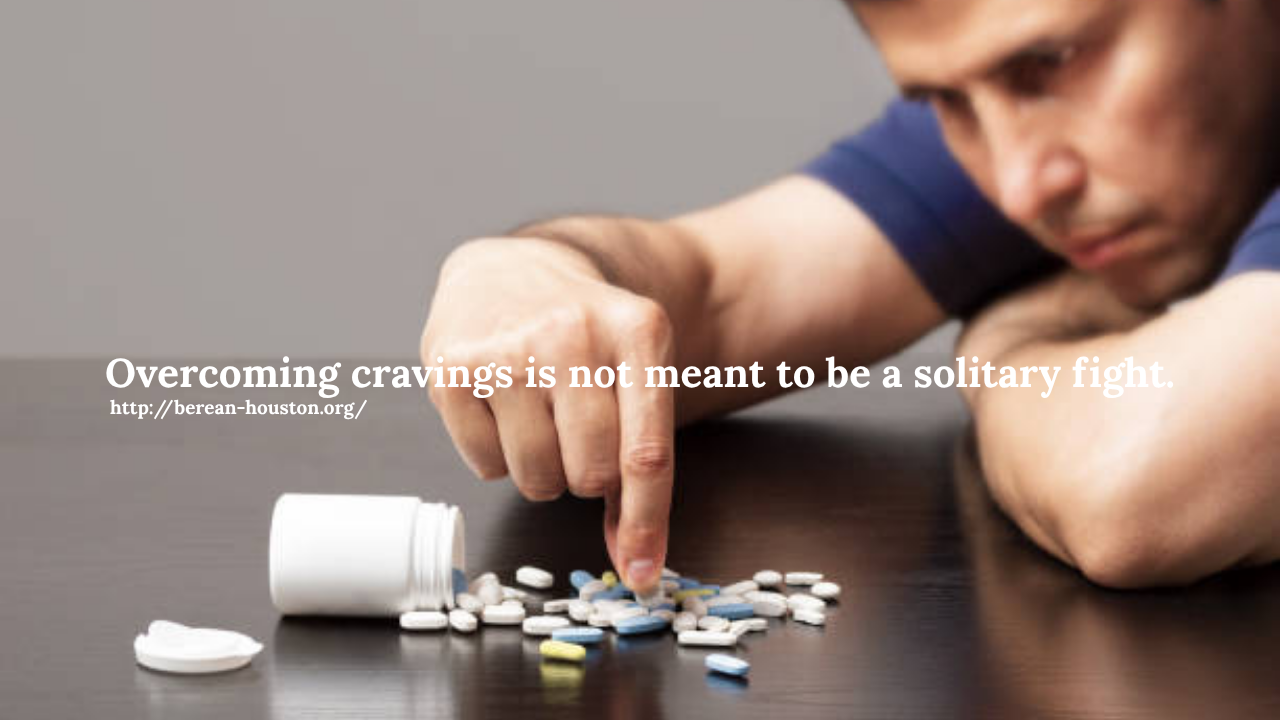
Overcoming cravings is not meant to be a solitary fight. Ecclesiastes 4:9-10 highlights the importance of support: “Two are better than one… If either of them falls down, one can help the other up.” Being part of a faith community provides encouragement, accountability, and shared wisdom from God’s Word.

Conclusion

Standing strong against addictive cravings is possible with the help of Scripture. The Bible empowers believers by renewing the mind, reinforcing their identity in Christ, and providing practical tools for resisting temptation. By leaning on God’s Word, prayer, and community, individuals can break free from addiction’s grip and walk in lasting victory.

Resisting the Enemy: Biblical Tools to Overcome Temptation in Addiction Recovery

Addiction is a relentless battle that often involves intense temptation. The desire to return to old habits can feel overwhelming, especially during moments of weakness, stress, or loneliness. Yet, for those walking the path of recovery through faith, the Bible offers powerful tools to resist the enemy and stand firm against temptation. Scripture teaches that we are not powerless; in Christ, we have the strength and spiritual armor needed to overcome.

Recognizing the Real Enemy

Addiction is not only a physical or emotional struggle—it is a spiritual one. The Bible identifies the real enemy: Satan, who seeks to destroy lives through deception and bondage. 1 Peter 5:8 warns, “Be alert and of sober mind. Your enemy the devil prowls around like a roaring lion looking for someone to devour.”

Understanding that addiction is part of a spiritual battle encourages believers to fight not with human strength but with the power and truth of God.

The Sword of the Spirit: God’s Word

One of the most effective tools for resisting temptation is Scripture. Ephesians 6:17 calls the Word of God “the sword of the Spirit,” a weapon for spiritual warfare. When Jesus was tempted in the wilderness (Matthew 4:1–11), He responded to each of Satan’s attacks with Scripture.

Likewise, individuals in recovery can memorize and meditate on key verses to combat temptation. Verses like 1 Corinthians 10:13 provide assurance: “No temptation has overtaken you except what is common to mankind. And God is faithful; he will not let you be tempted beyond what you can bear.”

Prayer: Connecting with Divine Strength

Prayer is a powerful defense against temptation. Jesus instructed His disciples in Matthew 26:41, “Watch and pray so that you will not fall into temptation. The spirit is willing, but the flesh is weak.”

Prayer invites God’s strength into moments of weakness. It centers the mind on God’s presence and aligns the heart with His will. Regular, honest prayer builds spiritual resilience and reminds believers that they are never alone in their struggle.

The Armor of God

Ephesians 6:10–18 outlines the full armor of God—truth, righteousness, peace, faith, salvation, and the Word. These elements protect believers from spiritual attacks. For those in addiction recovery, putting on this armor daily is vital. The shield of faith, in particular, “can extinguish all the flaming arrows of the evil one” (Ephesians 6:16).

Wearing this armor means walking in integrity, surrounding oneself with peace, standing firm in faith, and actively resisting lies with truth.

Accountability and Community Support

Temptation thrives in isolation. Ecclesiastes 4:9-10 reminds us, “Two are better than one… If either of them falls down, one can help the other up.” A supportive faith-based community provides accountability, encouragement, and prayer.

Church groups, recovery ministries, and trusted mentors can offer practical support and spiritual guidance.

Conclusion

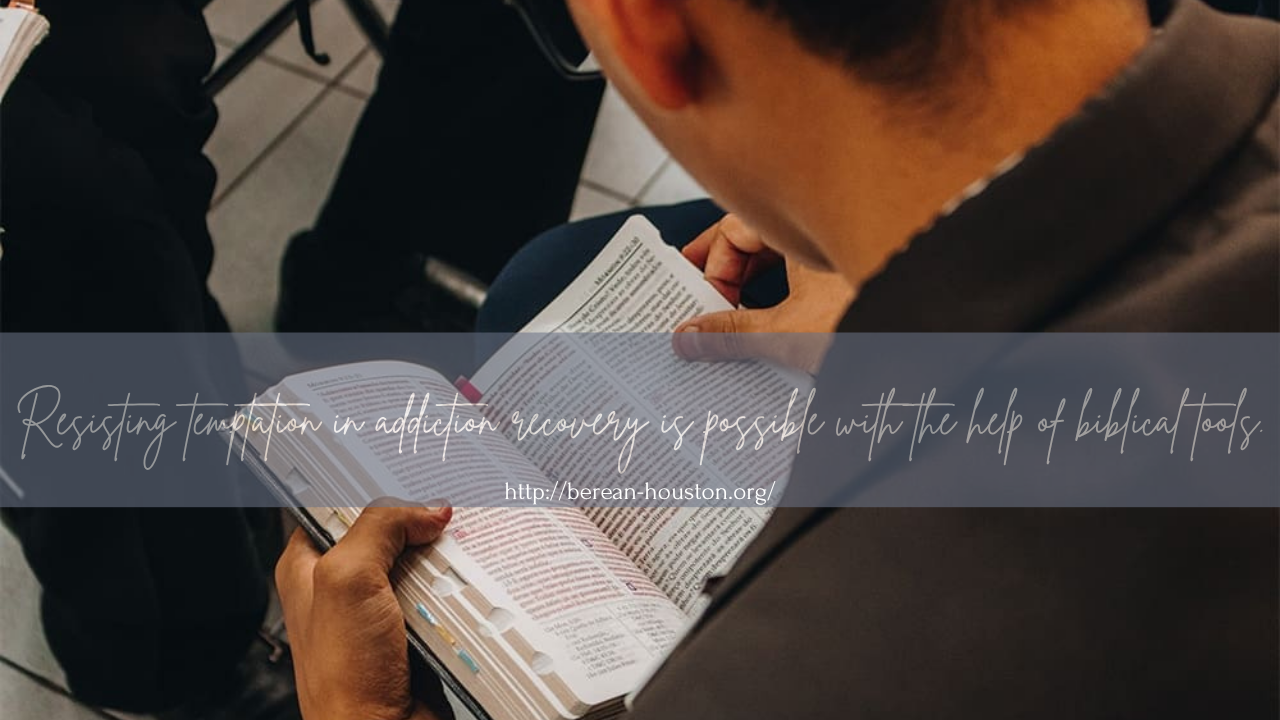
Resisting temptation in addiction recovery is possible with the help of biblical tools. Through Scripture, prayer, spiritual armor, and community, believers can stand strong against the enemy. God has not left us defenseless—He has equipped us for victory. As James 4:7 encourages, “Submit yourselves, then, to God. Resist the devil, and he will flee from you.”

Healing and Wholeness: God’s Plan for Deliverance from Substance Abuse

Substance abuse is a heavy burden that can fracture lives, relationships, and futures. Yet, the Bible offers hope through God’s plan for healing and wholeness. His desire is not for anyone to remain trapped in addiction but to experience deliverance, restoration, and abundant life. Through His Word, His Spirit, and His people, God provides a path to freedom for all who seek Him.

God’s Heart for the Broken

Throughout Scripture, we see that God cares deeply for the brokenhearted and the captive. Psalm 34:18 assures us, “The Lord is close to the brokenhearted and saves those who are crushed in spirit.” This promise is especially comforting for those struggling with substance abuse, as it reminds them they are never alone. God’s heart is to heal, not to condemn.

Jesus echoed this in Luke 4:18 when He declared His mission: “He has sent me to proclaim freedom for the prisoners and recovery of sight for the blind, to set the oppressed free.” Deliverance from addiction is part of Christ’s redemptive work, offering freedom to those bound by destructive habits.

The Process of Deliverance

Deliverance is often a journey rather than a single event. God’s plan involves healing the whole person—body, mind, and spirit. Romans 12:2 encourages believers to “be transformed by the renewing of your mind.” Recovery requires more than just ceasing substance use; it involves a complete renewal of thought patterns, values, and identity.

This transformation happens as individuals immerse themselves in Scripture, prayer, and fellowship with other believers. The Word of God helps break the lies of addiction and replace them with truth. John 8:32 says, “Then you will know the truth, and the truth will set you free.”

The Role of the Holy Spirit

No one has to fight addiction alone. God gives His Holy Spirit to empower, guide, and comfort. Galatians 5:16 encourages, “So I say, walk by the Spirit, and you will not gratify the desires of the flesh.” By relying on the Spirit’s strength rather than human willpower, individuals can overcome temptation and find victory in Christ.

Prayer invites the Spirit’s power into the recovery process. It aligns the heart with God’s purposes and opens the door for divine intervention, encouragement, and wisdom.

Community and Accountability

Healing from addiction is not meant to be a solitary endeavor. God designed His Church as a support system for those in need. James 5:16 urges believers, “Confess your sins to each other and pray for each other so that you may be healed.” Christian community offers accountability, encouragement, and practical support on the road to recovery.

Conclusion

God’s plan for deliverance from substance abuse is one of healing, hope, and wholeness. By trusting in His power, embracing His truth, and walking with His people, those bound by addiction can experience real freedom. With God, no one is beyond redemption, and no struggle is too great for His grace.

The Role of the Church in Supporting Addiction Recovery

Addiction is a pervasive issue that affects individuals, families, and communities. While medical and psychological interventions are important in recovery, the spiritual dimension of healing is often overlooked. The Church, as the body of Christ, has a vital role in supporting those struggling with addiction. Through compassion, community, prayer, and discipleship, the Church can become a powerful source of hope and restoration.

A Place of Acceptance and Grace

One of the greatest barriers to recovery is shame. Many individuals battling addiction fear judgment and rejection. The Church is called to embody the love and grace of Jesus Christ, offering a safe and accepting environment where people can find healing. Romans 15:7 encourages believers to “Accept one another, then, just as Christ accepted you, in order to bring praise to God.”

By fostering a culture of grace rather than condemnation, churches can help people feel seen, valued, and supported on their journey toward recovery.

Providing Community and Support

Addiction often thrives in isolation. The Church can counter this by offering authentic community. Acts 2:42-47 paints a picture of the early church as a place of shared life, mutual support, and spiritual growth. Small groups, recovery ministries, and accountability partnerships create spaces where individuals can build relationships, share struggles, and experience healing together.

Support groups such as Celebrate Recovery, a Christ-centered 12-step program, have been successful in many churches by addressing not only addiction but also related issues like anger, anxiety, and codependency.

Spiritual Encouragement Through Prayer and Scripture

The Church plays a key role in pointing people to the ultimate source of healing: Jesus Christ. Through regular preaching, teaching, and personal discipleship, the Church can offer biblical truth and encouragement to those in recovery. James 5:16 says, “Therefore confess your sins to each other and pray for each other so that you may be healed. The prayer of a righteous person is powerful and effective.”

Praying with and for those in recovery reminds them that they are not alone and that God is actively working in their lives. Offering Scripture-based counseling and Bible study helps renew the mind and build spiritual resilience.

Equipping the Church to Respond Effectively

For the Church to be effective in supporting addiction recovery, it must be equipped with the right tools and understanding. Training leaders and volunteers in addiction awareness, trauma-informed care, and spiritual mentorship can greatly enhance a church’s ability to minister effectively.

Partnering with Christian counselors, treatment centers, and recovery programs also expands the Church’s ability to provide holistic care. By addressing both the spiritual and practical needs of those in recovery, the Church becomes a more complete and compassionate witness of Christ’s love.

Conclusion

The Church is uniquely positioned to offer hope and healing to those struggling with addiction. Through acceptance, community, prayer, and biblical truth, it can be a sanctuary where broken lives are restored. As followers of Christ, we are called not to turn away from those in pain but to walk alongside them, extending the same grace and mercy that we ourselves have received. In doing so, the Church fulfills its mission to be a place of healing, transformation, and redemption.

Finding Strength in Scripture: A Christ-Centered Path to Sobriety

Addiction can leave individuals feeling powerless, broken, and defeated. It often brings isolation, shame, and a deep yearning for freedom. Yet, in the midst of this struggle, the Bible offers a powerful source of strength, hope, and guidance. Through Scripture, individuals can find a Christ-centered path to sobriety—a journey anchored in faith, truth, and spiritual transformation.

The Word of God as a Source of Strength

Scripture is not just a religious text; it is a living and active force that brings encouragement and power. Hebrews 4:12 tells us, “For the word of God is alive and active. Sharper than any double-edged sword…” For those in recovery, the Bible offers promises of strength in weakness, courage in fear, and hope in despair.

One such promise is found in Isaiah 40:29-31: “He gives strength to the weary and increases the power of the weak… but those who hope in the Lord will renew their strength.” These verses remind us that even when we feel at our weakest, God’s Word can revive and empower us.

Jesus: The Anchor in the Storm

Addiction often feels like a storm, tossing a person in every direction. In Matthew 7:24-25, Jesus speaks of the importance of building our lives on a solid foundation: “Therefore everyone who hears these words of mine and puts them into practice is like a wise man who built his house on the rock… it did not fall, because it had its foundation on the rock.”

By grounding one’s life in the teachings of Christ, individuals can withstand the temptations and challenges that come with sobriety. Jesus provides not only a foundation but also a personal relationship that brings peace and strength.

Scripture for Renewal and Transformation

Addiction impacts both behavior and mindset. True recovery requires a transformation of the mind, which Scripture addresses directly. Romans 12:2 urges believers, “Do not conform to the pattern of this world, but be transformed by the renewing of your mind.” Through daily reading and meditation on God’s Word, individuals can replace destructive thoughts with life-giving truths.

Philippians 4:13 serves as a declaration of empowerment: “I can do all things through Christ who strengthens me.” Repeating and believing such scriptures helps internalize God’s promises and build resilience on the road to recovery.

Practical Steps for a Christ-Centered Sobriety

  1. Daily Devotion: Begin each day with prayer and Bible reading. Allow God’s Word to guide your thoughts and actions.
  2. Scripture Memorization: Commit key verses to memory for times of temptation and discouragement.
  3. Join a Faith-Based Support Group: Connect with others who are also pursuing sobriety through Christ.
  4. Accountability and Mentorship: Find a trusted Christian mentor or accountability partner to walk alongside you.

Conclusion

Sobriety is not just about abstaining from substances or behaviors—it is about living in the freedom and fullness that Christ offers. The Bible provides the spiritual nourishment, strength, and guidance necessary for this journey. By anchoring recovery in God’s Word, individuals discover that lasting change is possible, and that their identity is not found in addiction, but in Christ who makes all things new.

Preventive Healthcare in Retirement: Screenings, Supplements, and Smart Choices

Retirement is the perfect time to take charge of your health with a focus on prevention. With fewer work-related stressors and more time for self-care, retirees can prioritize the kind of healthcare that keeps problems from arising in the first place. Preventive healthcare isn’t just about avoiding illness—it’s about living longer, staying active, and enjoying life to the fullest. Key components include routine screenings, appropriate supplements, and smart daily choices that support long-term well-being.

The Importance of Regular Screenings

Routine medical screenings can catch health issues early, when they are most treatable. Staying current with recommended tests is a cornerstone of preventive care. Some essential screenings for retirees include:

  • Blood Pressure and Cholesterol – Monitoring heart health helps prevent cardiovascular disease.
  • Colorectal Cancer Screening – Colonoscopies or stool tests can detect cancer or precancerous growths.
  • Mammograms and Prostate Exams – Early detection of breast or prostate cancer improves outcomes.
  • Bone Density Test – Especially important for postmenopausal women and older men to assess osteoporosis risk.
  • Vision and Hearing Checks – Ensuring sensory health supports safety and quality of life.
  • Diabetes Screening – Regular blood sugar checks can help detect prediabetes or diabetes early.

Talk to your healthcare provider to determine the best screening schedule based on your personal and family health history.

Using Supplements Wisely

As we age, our bodies may have a harder time absorbing certain nutrients. While a balanced diet should be your primary source of vitamins and minerals, supplements can help fill in nutritional gaps. Common supplements for retirees include:

  • Vitamin D and Calcium – Crucial for maintaining bone strength and preventing fractures.
  • Vitamin B12 – Older adults often have difficulty absorbing B12 from food, and a deficiency can lead to fatigue and cognitive issues.
  • Omega-3 Fatty Acids – Found in fish oil, omega-3s support heart and brain health.
  • Magnesium – Aids in muscle function, bone health, and sleep regulation.

Always consult with your doctor before starting new supplements to ensure they won’t interact with medications or medical conditions.

Making Smart Lifestyle Choices

Preventive healthcare extends beyond medical offices. Daily habits play a major role in long-term health and vitality. Consider adopting the following smart choices:

  • Eat a Balanced Diet – Focus on whole, nutrient-rich foods to support immune health, digestion, and energy levels.
  • Stay Active – Regular movement, whether through walking, swimming, or yoga, supports heart health, mobility, and mood.
  • Don’t Skip Sleep – Aim for 7 to 9 hours of quality sleep per night to support recovery and mental clarity.
  • Manage Stress – Mindfulness, deep breathing, and hobbies can help reduce stress and its impact on the body.
  • Avoid Harmful Habits – Limit alcohol, avoid tobacco, and stay up-to-date with vaccinations.

Conclusion

Preventive healthcare in retirement is a powerful way to maintain independence and quality of life. By staying on top of screenings, using supplements wisely, and making healthy lifestyle choices, retirees can proactively protect their well-being and enjoy the many rewards of healthy aging.

Grace and Redemption: How the Bible Offers Hope to the Addicted

Addiction often leads individuals into a place of darkness, shame, and hopelessness. It can make people feel unworthy of love, forgiveness, or a fresh start. But the Bible tells a different story—one of grace, redemption, and unshakeable hope. Through God’s Word, those struggling with addiction can discover a path to healing and restoration rooted in divine love.

The Gift of Grace

Grace is the unmerited favor of God. It is not something we earn, but something freely given. For those burdened by addiction, grace is a powerful reminder that no one is too far gone for God’s love. Ephesians 2:8-9 affirms, “For it is by grace you have been saved, through faith—and this is not from yourselves, it is the gift of God—not by works, so that no one can boast.”

This means that healing from addiction is not about achieving perfection or paying for past mistakes. Instead, it’s about receiving God’s forgiveness and beginning a new life through His strength. Grace meets individuals right where they are, offering a clean slate and renewed hope.

Redemption Through Christ

Redemption is the act of being rescued or bought back—restored to one’s intended purpose. In Jesus, those struggling with addiction find redemption. Romans 3:23-24 says, “For all have sinned and fall short of the glory of God, and all are justified freely by his grace through the redemption that came by Christ Jesus.”

No matter how broken a person may feel, Jesus offers restoration. His sacrifice on the cross paid the price for every sin, including those connected to addiction. Through faith in Christ, anyone can be redeemed, set free from shame, and empowered to live a new life.

A New Identity in Christ

Addiction often warps a person’s identity, convincing them that they are defined by their failures. But the Bible declares a new identity for those who believe in Jesus. 2 Corinthians 5:17 proclaims, “Therefore, if anyone is in Christ, the new creation has come: The old has gone, the new is here!”

This new identity is not based on past behaviors but on God’s truth. Believers are called children of God, forgiven, loved, and chosen. Embracing this identity helps individuals break free from the lies of addiction and walk confidently in God’s promises.

Walking in Hope

Recovery is a journey, and the Bible offers hope for every step. Lamentations 3:22-23 reminds us, “Because of the Lord’s great love we are not consumed, for his compassions never fail. They are new every morning; great is your faithfulness.” Even on the hardest days, God’s mercies are fresh and available.

Jeremiah 29:11 also gives encouragement: “‘For I know the plans I have for you,’ declares the Lord, ‘plans to prosper you and not to harm you, plans to give you hope and a future.'” This verse reassures those in recovery that God has a good plan for their lives, one filled with hope and purpose.

Conclusion

Grace and redemption are central themes of the Bible and powerful truths for anyone facing addiction. No matter how deep the struggle, God’s love reaches deeper. Through Christ, there is forgiveness, transformation, and the promise of a new beginning. For the addicted, the Bible is not just a book of rules—it is a source of hope, healing, and eternal grace.


Healing the Heart: The Transformative Power of Forgiveness in Overcoming Addiction

Addiction not only affects the body and mind—it wounds the heart. The pain caused by addiction often stems from deep emotional scars, unresolved trauma, guilt, and broken relationships. True healing requires more than just sobriety; it requires restoration of the heart. At the center of that restoration is forgiveness—a divine force that renews, rebuilds, and revives the soul.

The Wounds Beneath Addiction

Many who struggle with addiction carry hidden wounds. These may come from childhood abuse, betrayal, abandonment, or personal failures. In trying to numb their pain, people often turn to substances or harmful behaviors. Addiction becomes a way to escape—but it only deepens the hurt.

Christian recovery recognizes that healing must begin at the heart level. Jesus declared in Luke 4:18 that He came to “heal the brokenhearted.” Through His love and grace, He offers not just relief from addiction but restoration from the pain that fuels it.

Forgiveness: A Pathway to Healing

Forgiveness is one of the most powerful tools for healing the heart. It liberates individuals from the chains of resentment, shame, and regret. In addiction recovery, forgiveness comes in three forms: receiving God’s forgiveness, forgiving oneself, and forgiving others.

Receiving God’s forgiveness is foundational. No matter the past, God’s mercy is greater. 1 John 1:9 promises, “If we confess our sins, he is faithful and just and will forgive us our sins and purify us from all unrighteousness.” This truth assures individuals that they are not defined by their addiction, but by God’s redeeming love.

Forgiving oneself is often the hardest step. Shame and guilt can be overwhelming, but they are not from God. His forgiveness is total, and when we accept it, we can begin to see ourselves through His eyes—as beloved, worthy, and redeemed.

Forgiving others is also crucial. Many people in addiction have been hurt deeply by others. Holding on to bitterness and anger only perpetuates the pain. Jesus calls us to forgive, not just for the sake of those who wronged us, but for our own healing. As He taught in Matthew 6:14, “For if you forgive other people when they sin against you, your heavenly Father will also forgive you.”

The Fruit of a Forgiven Heart

When forgiveness takes root, it transforms lives. A forgiven heart is a healed heart—free from the burden of the past and open to new beginnings. It allows individuals to rebuild relationships, restore trust, and live with peace and purpose.

Christian recovery programs often integrate biblical teachings on forgiveness, helping individuals walk through this process with support and spiritual guidance. As hearts are healed, the grip of addiction loosens, and true freedom begins to emerge.

Healing the heart is not always quick or easy, but it is possible through the power of forgiveness. With God’s help, what once was broken can be made whole. In His love, every wound can be healed, every sin forgiven, and every life renewed. The journey to recovery starts not just

From Bondage to Breakthrough: Faith-Based Strategies for Recovery

Addiction is a form of bondage that affects millions of people worldwide, trapping them in cycles of despair, guilt, and hopelessness. However, through faith-based recovery strategies, individuals can experience true breakthrough and lasting freedom. The Bible offers guidance, encouragement, and spiritual tools to help those struggling with addiction overcome their battles and step into a new life in Christ.

Recognizing the Spiritual Battle

Addiction is not just a physical or psychological issue—it is also a spiritual battle. The enemy seeks to keep people enslaved, but God has provided a way to freedom. Ephesians 6:12 reminds us, “For our struggle is not against flesh and blood, but against the rulers, against the authorities, against the powers of this dark world and against the spiritual forces of evil in the heavenly realms.” Recognizing addiction as a spiritual attack helps individuals turn to God for the strength to fight and overcome.

Surrendering to God

True healing begins with surrender. Many people try to overcome addiction through their own willpower but find themselves falling back into old habits. The Bible teaches that real strength comes from God. Proverbs 3:5-6 encourages believers to “Trust in the Lord with all your heart and lean not on your own understanding; in all your ways submit to him, and he will make your paths straight.” Surrendering to God allows Him to take control and lead the individual toward healing.

The Power of Prayer and Scripture

Prayer is a powerful tool in addiction recovery. Philippians 4:6-7 says, “Do not be anxious about anything, but in every situation, by prayer and petition, with thanksgiving, present your requests to God. And the peace of God, which transcends all understanding, will guard your hearts and your minds in Christ Jesus.” Regular prayer strengthens the spirit and provides comfort and guidance.

Additionally, Scripture is essential for renewing the mind and breaking destructive thought patterns. Romans 12:2 instructs believers, “Do not conform to the pattern of this world, but be transformed by the renewing of your mind. Then you will be able to test and approve what God’s will is—his good, pleasing and perfect will.” Meditating on God’s Word helps individuals replace negative thinking with God’s truth.

Accountability and Community Support

Healing from addiction is not meant to be a solo journey. Proverbs 27:17 states, “As iron sharpens iron, so one person sharpens another.” Being part of a faith-based recovery group or a church community provides accountability, encouragement, and prayer support. James 5:16 also highlights the importance of community: “Therefore confess your sins to each other and pray for each other so that you may be healed. The prayer of a righteous person is powerful and effective.”

Walking in Freedom

Breaking free from addiction is not just about stopping harmful behaviors but embracing a new identity in Christ. 2 Corinthians 5:17 declares, “Therefore, if anyone is in Christ, the new creation has come: The old has gone, the new is here!” This promise reminds those in recovery that their past does not define them—God’s grace does.

Conclusion

Moving from bondage to breakthrough is possible through faith, prayer, surrender, and the support of a Christ-centered community. With God’s strength, those struggling with addiction can find true healing and lasting transformation. By relying on His promises and walking in His truth, they can experience the freedom that only Christ can give.


Renewing the Mind: Biblical Wisdom for Healing from Addiction

Addiction is a powerful force that can consume lives, leading individuals into cycles of despair, guilt, and hopelessness. However, the Bible offers a transformative path to healing by emphasizing the renewal of the mind. Through faith in Christ, the guidance of Scripture, and the work of the Holy Spirit, individuals can experience true freedom and restoration from addiction.

Understanding the Power of the Mind

The mind is a battlefield where thoughts and desires shape actions. Proverbs 23:7 states, “For as he thinks in his heart, so is he.” This verse highlights how our thought patterns influence our behaviors. Addiction often thrives in distorted thinking, leading individuals to seek comfort or escape through destructive habits.

Romans 12:2 provides the foundation for healing: “Do not conform to the pattern of this world, but be transformed by the renewing of your mind. Then you will be able to test and approve what God’s will is—his good, pleasing and perfect will.” This renewal process involves shifting from destructive thoughts to a Christ-centered mindset.

The Role of Scripture in Mental Renewal

God’s Word is a powerful tool for transforming the mind and breaking free from addiction. Psalm 119:11 states, “I have hidden your word in my heart that I might not sin against you.” By filling the mind with Scripture, individuals gain strength to resist temptation and align their thoughts with God’s truth.

Philippians 4:8 encourages believers to focus on what is true, noble, right, pure, lovely, admirable, excellent, and praiseworthy. Replacing negative, addictive thoughts with godly wisdom is essential in the healing process.

Overcoming Lies with Truth

Addiction often convinces individuals of lies such as “I will never change” or “I am too far gone.” However, the Bible declares that in Christ, all things are possible. John 8:32 affirms, “Then you will know the truth, and the truth will set you free.”

Recognizing the enemy’s deception is crucial. 2 Corinthians 10:5 instructs believers to “take captive every thought to make it obedient to Christ.” By actively rejecting falsehoods and embracing God’s promises, individuals can reshape their thinking and step into healing.

Strength Through Prayer and the Holy Spirit

Prayer is a vital aspect of mind renewal. Philippians 4:6-7 encourages believers to bring every worry to God, promising that His peace will guard their hearts and minds in Christ Jesus.

The Holy Spirit also plays a key role in transformation. Galatians 5:16 states, “So I say, walk by the Spirit, and you will not gratify the desires of the flesh.” Through the Spirit’s guidance, individuals gain strength to resist cravings and replace them with godly desires.

The Importance of Community

Healing from addiction is not meant to be a solitary journey. Proverbs 27:17 states, “As iron sharpens iron, so one person sharpens another.” Surrounding oneself with a Christ-centered community provides encouragement, accountability, and support during recovery.

Conclusion

Renewing the mind through biblical wisdom is essential for healing from addiction. By immersing in Scripture, rejecting lies, embracing God’s truth, and relying on the Holy Spirit, individuals can experience lasting transformation. As 2 Corinthians 5:17 proclaims, “Therefore, if anyone is in Christ, the new creation has come: The old has gone, the new is here!” In Christ, true renewal and freedom are possible.